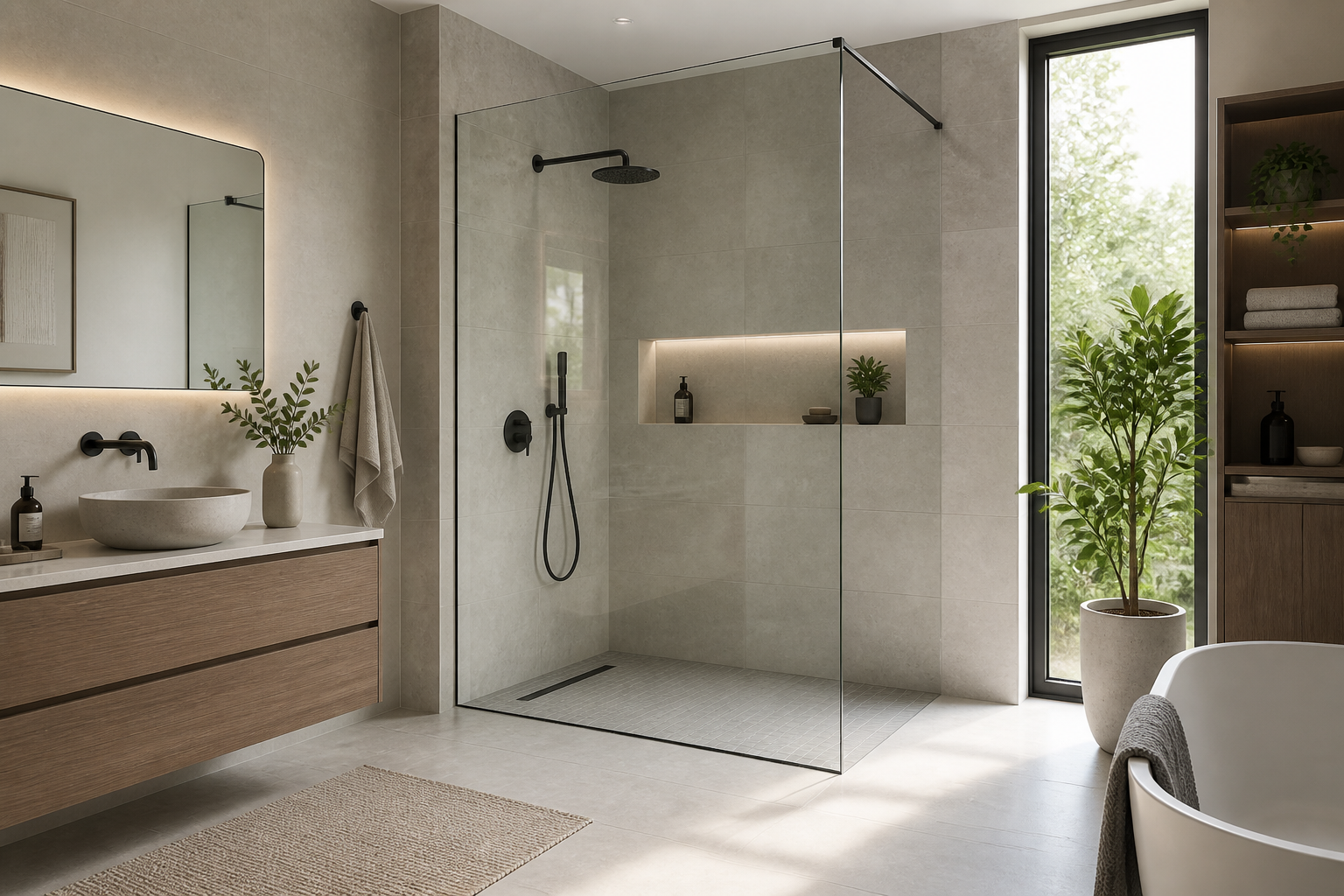
Article Overview
Are you considering upgrading your bathroom with a walk-in shower? If so, understanding the costs involved is crucial. This Walk-In Shower Price Guide will break down the various factors influencing pricing, typical installation expenses, and provide you with recommendations for the best…
Are you considering upgrading your bathroom with a walk-in shower? If so, understanding the costs involved is crucial. This Walk-In Shower Price Guide will break down the various factors influencing pricing, typical installation expenses, and provide you with recommendations for the best products available in 2026. Moreover, we will also cover tips on how to budget effectively for your new shower.
Factors Influencing Walk-In Shower Costs
When planning a bathroom remodel, several factors can affect the overall cost of a walk-in shower. Below are some key components to consider:
If you need help with Full service general contractor, Architect and design services, Bathroom remodels, kitchen remodels, tile, tile flooring, tile showers, LVP in Yamhill county, Marion county, Polk county, Tillamook county, Lincoln county, Multnomah county, Washington county, request a quote or contact ORIWS to get clear next steps from ORIWS.
- Shower Size: The dimensions of your shower will greatly impact the cost. Larger showers require more materials and can lead to higher installation costs.
- Material Quality: The choice of materials, such as tiles, glass, and fixtures, can vary widely in price. High-quality materials typically offer better durability and aesthetics.
- Fixture Choices: Selecting various fixtures, including faucets and showerheads, can also influence your budget. Premium fixtures tend to cost more but can enhance your shower experience.
- Installation Complexity: The complexity of the installation process will affect labor costs. If your bathroom requires significant modifications, expect higher expenses.
- DIY vs. Professional Installation: Choosing to install the shower yourself can save money, but professional installation ensures quality and compliance with local building codes.
To summarize, the cost of a walk-in shower is influenced by size, material quality, fixture choices, installation complexity, and whether you decide to hire a professional or tackle the project yourself. For more specific information on installation costs at Home Depot, check out our detailed guide.
Typical Costs for Walk-In Showers
Understanding the typical costs associated with walk-in showers can help you plan your budget effectively. Here’s a general breakdown:
- Basic Walk-In Shower Kits: These kits usually range from $500 to $1,500, depending on the brand and included features.
- Custom Walk-In Showers: For a fully custom installation, costs can vary significantly, typically ranging from $2,000 to $5,000 or more.
- Installation Costs: Professional installation can add an additional $1,000 to $3,000, depending on the complexity of the project.
Therefore, your total budget for a walk-in shower remodel could range from $1,500 for a basic kit to over $8,000 for a custom solution with professional installation.
Best Walk-In Shower Products for 2026
In addition to understanding costs, it’s essential to choose the right products for your new walk-in shower. Here are some highly recommended options for 2026:
- Home Depot Modern Walk-In Shower: Known for its sleek design and durable materials, this shower kit is an excellent choice for homeowners seeking both functionality and style.
- Delta Shower Systems: Offering a variety of modern fixtures, Delta products are known for their quality and innovative technology.
- Kohler Walk-In Showers: Kohler provides stylish designs and reliable performance, making them a popular choice among homeowners.
Moreover, consider visiting local home improvement stores to see these products in person. This can help you make a more informed decision based on your personal preferences.
Budgeting Tips for Your Walk-In Shower Project
To ensure your project stays within budget, follow these tips:
- Set a Realistic Budget: Determine how much you are willing to spend and stick to it.
- Get Multiple Quotes: Contact several contractors for quotes to compare prices and services.
- Consider DIY Options: If you are handy, consider doing some of the work yourself to save on labor costs.
- Plan for Unexpected Costs: Always set aside a portion of your budget for unforeseen expenses that may arise during the project.
By implementing these budgeting strategies, you can manage your expenses more effectively and ensure a successful bathroom remodel.
Conclusion
Upgrading to a walk-in shower can significantly enhance your bathroom’s functionality and aesthetics. Understanding the factors that influence costs, typical expenses, and the best products available in 2026 will help you make informed decisions. If you’re ready to start your project, request a quote from us today, and let our team at ORIWS assist you in transforming your bathroom into a modern oasis.
Additional Considerations for Walk-In Showers
When planning your walk-in shower, there are several additional considerations that can enhance both functionality and aesthetics. Here are some key factors to think about:
Accessibility Features
Incorporating accessibility features into your walk-in shower can provide a safer and more comfortable experience for everyone, especially for those with mobility challenges. Consider the following:
- Grab Bars: Install grab bars to provide support when entering and exiting the shower.
- Non-Slip Flooring: Choose flooring materials that offer traction to prevent slips.
- Bench Seating: A built-in bench can be a practical addition for resting while showering.
Shower Layout and Design
The layout and design of your walk-in shower can significantly impact its usability and appearance. Here are some design tips:
- Shower Head Placement: Position the shower head at a height that is comfortable for all users.
- Glass Enclosures: Consider frameless glass enclosures for a modern look and to create an illusion of more space.
- Lighting: Incorporate adequate lighting, such as recessed lights or wall sconces, to brighten the shower area.
Water Efficiency and Sustainability
Investing in water-efficient fixtures not only reduces your water bill but also benefits the environment. Here are some sustainable options:
- Low-Flow Showerheads: These showerheads can reduce water usage without sacrificing pressure.
- Water-Saving Faucets: Look for faucets that are designed to minimize water flow while maintaining performance.
- Recycled Materials: Select tiles and fixtures made from recycled materials to lessen your ecological footprint.
Maintenance and Care
Maintaining your walk-in shower is essential for longevity and appearance. Consider these maintenance tips:
- Regular Cleaning: Use non-abrasive cleaners to prevent buildup of soap scum and mildew.
- Seal Grout Lines: Regularly sealing grout lines will help prevent stains and water damage.
- Inspect Fixtures: Periodically check for leaks or wear on fixtures and replace them as needed.
Comparing Walk-In Shower Options
When selecting the right walk-in shower, it’s beneficial to compare various options based on your specific needs. Here’s a simple comparison approach:
- Identify Your Needs: List your priorities, such as size, style, and features.
- Research Options: Explore different brands and models, focusing on reviews and ratings.
- Request Samples: If possible, obtain samples of materials to see how they fit into your bathroom’s aesthetic.
By carefully considering these aspects, you can create a walk-in shower that not only meets your budget but also enhances the overall functionality and style of your bathroom.
For additional authoritative context, review clicking here!.
Additional Considerations for Walk-In Showers
When planning your walk-in shower, there are several additional considerations that can enhance both functionality and aesthetics. Here are some key factors to think about:
Accessibility Features
Incorporating accessibility features into your walk-in shower can provide a safer and more comfortable experience for everyone, especially for those with mobility challenges. Consider the following:
Continue with Best Walk-In Shower Kits and Installation Costs in 2026 for additional guidance.
- Grab Bars: Install grab bars to provide support when entering and exiting the shower.
- Non-Slip Flooring: Choose flooring materials that offer traction to prevent slips.
- Bench Seating: A built-in bench can be a practical addition for resting while showering.
Shower Layout and Design
The layout and design of your walk-in shower can significantly impact its usability and appearance. Here are some design tips:
- Shower Head Placement: Position the shower head at a height that is comfortable for all users.
- Glass Enclosures: Consider frameless glass enclosures for a modern look and to create an illusion of more space.
- Lighting: Incorporate adequate lighting, such as recessed lights or wall sconces, to brighten the shower area.
Water Efficiency and Sustainability
Investing in water-efficient fixtures not only reduces your water bill but also benefits the environment. Here are some sustainable options:
- Low-Flow Showerheads: These showerheads can reduce water usage without sacrificing pressure.
- Water-Saving Faucets: Look for faucets that are designed to minimize water flow while maintaining performance.
- Recycled Materials: Select tiles and fixtures made from recycled materials to lessen your ecological footprint.
Maintenance and Care
Maintaining your walk-in shower is essential for longevity and appearance. Consider these maintenance tips:
- Regular Cleaning: Use non-abrasive cleaners to prevent buildup of soap scum and mildew.
- Seal Grout Lines: Regularly sealing grout lines will help prevent stains and water damage.
- Inspect Fixtures: Periodically check for leaks or wear on fixtures and replace them as needed.
Comparing Walk-In Shower Options
When selecting the right walk-in shower, it’s beneficial to compare various options based on your specific needs. Here’s a simple comparison approach:
- Identify Your Needs: List your priorities, such as size, style, and features.
- Research Options: Explore different brands and models, focusing on reviews and ratings.
- Request Samples: If possible, obtain samples of materials to see how they fit into your bathroom’s aesthetic.
By carefully considering these aspects, you can create a walk-in shower that not only meets your budget but also enhances the overall functionality and style of your bathroom.
Ready to talk about your project?
If you need help with Full service general contractor, Architect and design services, Bathroom remodels, kitchen remodels, tile, tile flooring, tile showers, LVP in Yamhill county, Marion county, Polk county, Tillamook county, Lincoln county, Multnomah county, Washington county, request a quote or contact ORIWS to get the next step started.
Frequently Asked Questions
Here are some common questions regarding walk-in shower costs and installations:
- What factors influence the cost of a walk-in shower? The cost depends on shower size, material quality, fixture choices, installation complexity, and whether you opt for DIY or professional installation.
- How can I estimate my walk-in shower project budget? Use online calculators, get multiple quotes from contractors, and consider product options like the Home Depot Modern Walk-In Shower to compare features and prices.
- Are there affordable walk-in shower options that still look modern? Yes, many budget-friendly models like the Home Depot walk-in showers offer modern designs with durable materials at competitive prices.