Article Overview
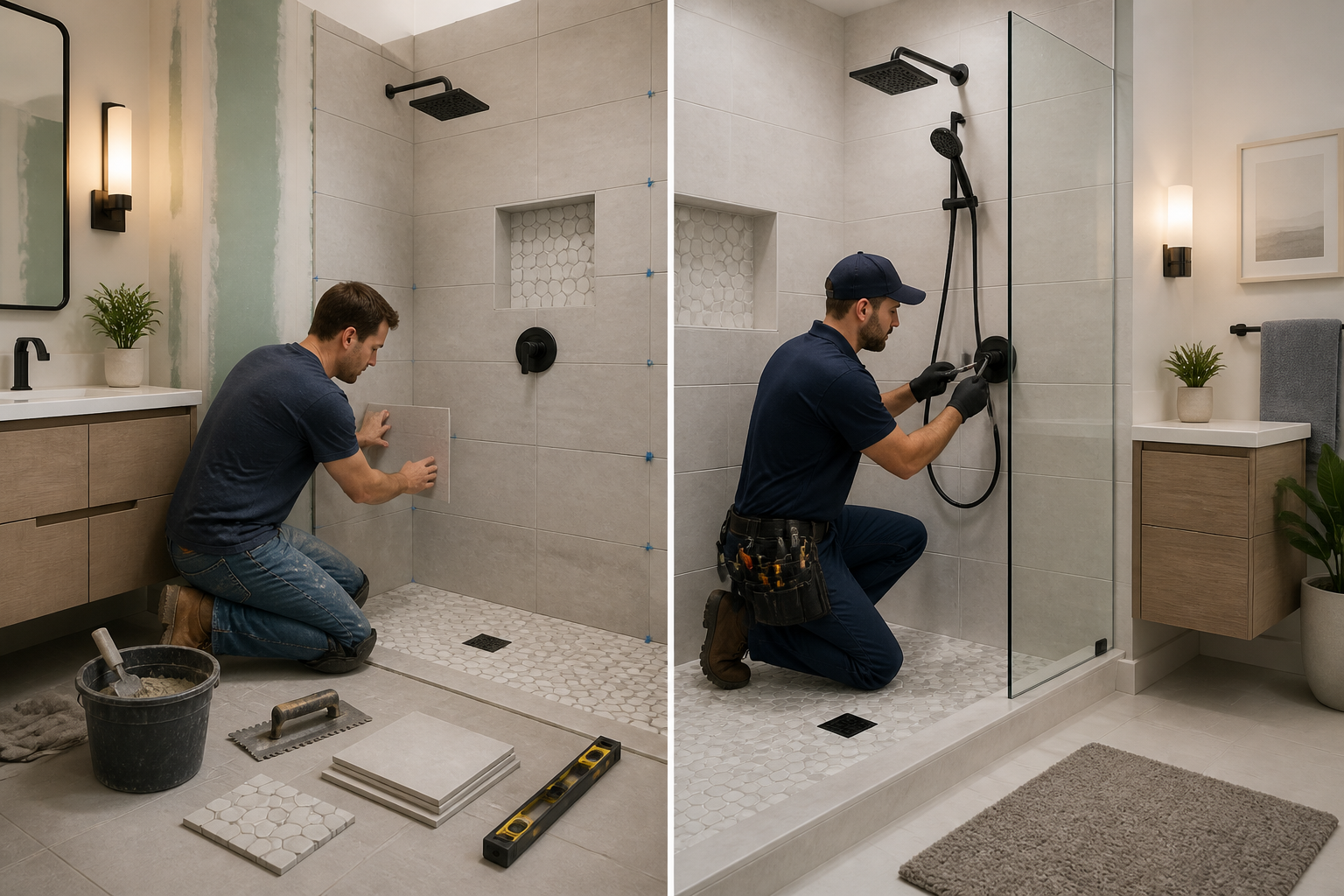
Thinking about upgrading your bathroom? Walk-in showers are a stylish and practical option that many homeowners consider. However, understanding the cost of installing a walk-in shower is crucial for making an informed decision. In this article, we will explore both DIY and…
Thinking about upgrading your bathroom? Walk-in showers are a stylish and practical option that many homeowners consider. However, understanding the cost of installing a walk-in shower is crucial for making an informed decision. In this article, we will explore both DIY and professional installation options, discussing their respective costs, benefits, and considerations for your project.
Understanding Walk-In Showers
Walk-in showers offer numerous advantages, including accessibility, style, and often enhanced space in your bathroom. They can be customized to fit your design preferences, whether you favor a sleek, modern look or a more traditional style. Moreover, the installation process can vary significantly based on whether you choose to tackle it yourself or hire a professional.
If you need help with Full service general contractor, Architect and design services, Bathroom remodels, kitchen remodels, tile, tile flooring, tile showers, LVP in Yamhill county, Marion county, Polk county, Tillamook county, Lincoln county, Multnomah county, Washington county, request a quote or contact ORIWS to get clear next steps from ORIWS.
The Cost Breakdown: DIY vs. Professional Installation
When considering the cost of installing a walk-in shower, it’s essential to weigh the options between DIY and professional installation. Here’s a breakdown of both methods:
DIY Installation Costs
If you’re handy and have some experience with home improvement projects, a DIY installation can save you a considerable amount of money. Here are the typical costs involved:
For useful background on this topic, see How Much Does a Walk-In Shower Cost at Home Depot?.
- Materials: Depending on the type of shower you choose (prefab vs. tile), materials can range from $800 to $3,000.
- Tools: If you don’t already own the necessary tools, you may need to invest an additional $200 to $500.
- Permits: Depending on local regulations, permits can cost anywhere from $50 to $500.
- Total Estimated Cost: For a DIY installation, expect to spend between $1,000 and $4,000.
Professional Installation Costs
Hiring a professional can ensure that the installation is done correctly and up to code. However, this option comes with a higher price tag. Here’s what to expect:
- Labor Costs: Labor rates vary by region but typically range from $50 to $150 per hour. A complete installation can take anywhere from 10 to 30 hours.
- Materials: As with DIY, materials can range from $800 to $3,000.
- Additional Costs: This may include plumbing modifications or extra materials needed for the installation.
- Total Estimated Cost: For professional installation, costs generally range from $2,500 to $8,000.
As a result, while DIY installation can save money, professional installation may provide peace of mind and superior results.
Factors Influencing Costs
Several factors can influence the overall cost of installing a walk-in shower:
- Shower Type: Prefab units are usually less expensive than custom tile showers.
- Size: Larger showers will require more materials and labor, increasing costs.
- Location: Labor rates can vary significantly based on your geographical area.
- Plumbing Modifications: If your existing plumbing needs to be updated or relocated, this can add to the cost.
Choosing the Right Shower
When selecting a walk-in shower, consider both cost and style. For example, Home Depot walk-in shower units can offer affordable options for budget-conscious homeowners. These units are often easier to install and come with warranties, making them a practical choice.
Conclusion
In summary, the cost of installing a walk-in shower can vary widely based on whether you choose to go the DIY route or hire a professional. Each option has its benefits and drawbacks, so it’s essential to evaluate your skills, budget, and preferences before making a decision. If you’re considering a bathroom remodel in Yamhill County or surrounding areas, request a quote from ORIWS to explore your options further.
Benefits of Walk-In Showers
Before diving into installation options, it’s important to understand the benefits of walk-in showers that make them a preferred choice for many homeowners:
- Accessibility: Walk-in showers are easier to access for individuals with mobility issues or seniors, minimizing the risk of slips and falls.
- Space Efficiency: They can create a more open feel in your bathroom, especially in smaller spaces.
- Customization: Walk-in showers can be tailored to your specific preferences, including size, tile design, and additional features like built-in benches or shelves.
- Increased Home Value: A well-designed walk-in shower can enhance the overall value of your home, appealing to potential buyers.
Choosing the Right Materials
When considering a walk-in shower, the choice of materials plays a significant role in both cost and aesthetics. Here are some popular options:
Tile
Tile is a versatile and customizable option for walk-in showers. It allows for creative designs and can be made from various materials such as ceramic, porcelain, or natural stone. However, it requires more maintenance and can be pricier depending on the type chosen.
For additional authoritative context, review 971-287-0481.
Prefabricated Units
Prefabricated shower units are typically easier to install and come in a variety of styles. They are usually made from acrylic or fiberglass and are less expensive than custom tile showers. However, they may offer less flexibility in design.
Continue with Best Walk-In Shower Kits and Installation Costs in 2026 for additional guidance.
Glass Enclosures
Glass enclosures can add a modern touch to your walk-in shower. They are available in various styles, including framed, semi-frameless, and frameless. While they can be more expensive, they create a spacious feel and showcase beautiful tile work.
Implementation Steps for DIY Installation
If you decide to take the DIY route, here are the essential steps to follow for a successful walk-in shower installation:
- Planning: Measure your bathroom space and decide on the shower size and layout.
- Gather Materials: Purchase your chosen materials, including the shower base, wall panels, fixtures, and any additional accessories.
- Remove the Old Shower: Carefully dismantle the existing shower or bathtub, ensuring to cap off any plumbing.
- Prepare the Space: Ensure the subfloor is level and in good condition. Make any necessary plumbing adjustments.
- Install the Shower Base: Follow the manufacturer’s instructions to secure the shower base to the floor.
- Install Wall Panels: Attach wall panels, ensuring proper sealing to prevent water leakage.
- Add Fixtures: Install the showerhead, faucet, and any additional features.
- Finishing Touches: Apply caulk around seams and edges for waterproofing and aesthetic appeal.
Comparing Long-Term Costs
While upfront costs are significant, it’s also crucial to consider long-term expenses associated with both DIY and professional installations:
- Maintenance: Tile showers may require more maintenance, including grout cleaning and resealing, whereas prefabricated units often need less upkeep.
- Repairs: Professional installations may come with warranties, covering repairs for a certain period, while DIY installations may lead to higher repair costs if not done correctly.
- Utility Costs: Consider water efficiency and how your shower design may affect your water bill over time.
Decision Criteria for Choosing Between DIY and Professional Installation
When deciding whether to install your walk-in shower yourself or hire a professional, consider the following criteria:
- Skill Level: Assess your plumbing and tiling skills honestly. If you’re inexperienced, hiring a professional may save you headaches.
- Time Availability: DIY projects can be time-consuming. Ensure you have the time to dedicate to the project without rushing.
- Budget Flexibility: Determine if you can absorb the higher costs of professional installation or if budget constraints necessitate a DIY approach.
- Long-Term Plans: If you plan to stay in your home long-term, investing in a professional installation may be worthwhile for quality assurance.
Ready to talk about your project?
If you need help with Full service general contractor, Architect and design services, Bathroom remodels, kitchen remodels, tile, tile flooring, tile showers, LVP in Yamhill county, Marion county, Polk county, Tillamook county, Lincoln county, Multnomah county, Washington county, request a quote or contact ORIWS to get the next step started.
Frequently Asked Questions
Here are some common questions regarding the installation of walk-in showers:
- What factors influence the cost of installing a walk-in shower? The cost depends on shower type (prefab vs custom tile), size, materials, labor rates, and whether plumbing modifications are needed.
- Can I install a walk-in shower myself to save money? Yes, if you have DIY skills and experience. However, professional installation ensures proper sealing, plumbing, and code compliance, reducing long-term issues.
- What is the typical price range for walk-in shower installation in 2026? Installation costs generally range from $2,000 to $8,000 depending on the complexity, materials, and location. Home Depot units tend to be on the lower end, especially with DIY options.
- Are prefab walk-in showers a good value? Yes, prefab units are cost-effective, quick to install, and come with warranties. They are ideal for budget-conscious upgrades and can be complemented with tile accents for style.