Article Overview
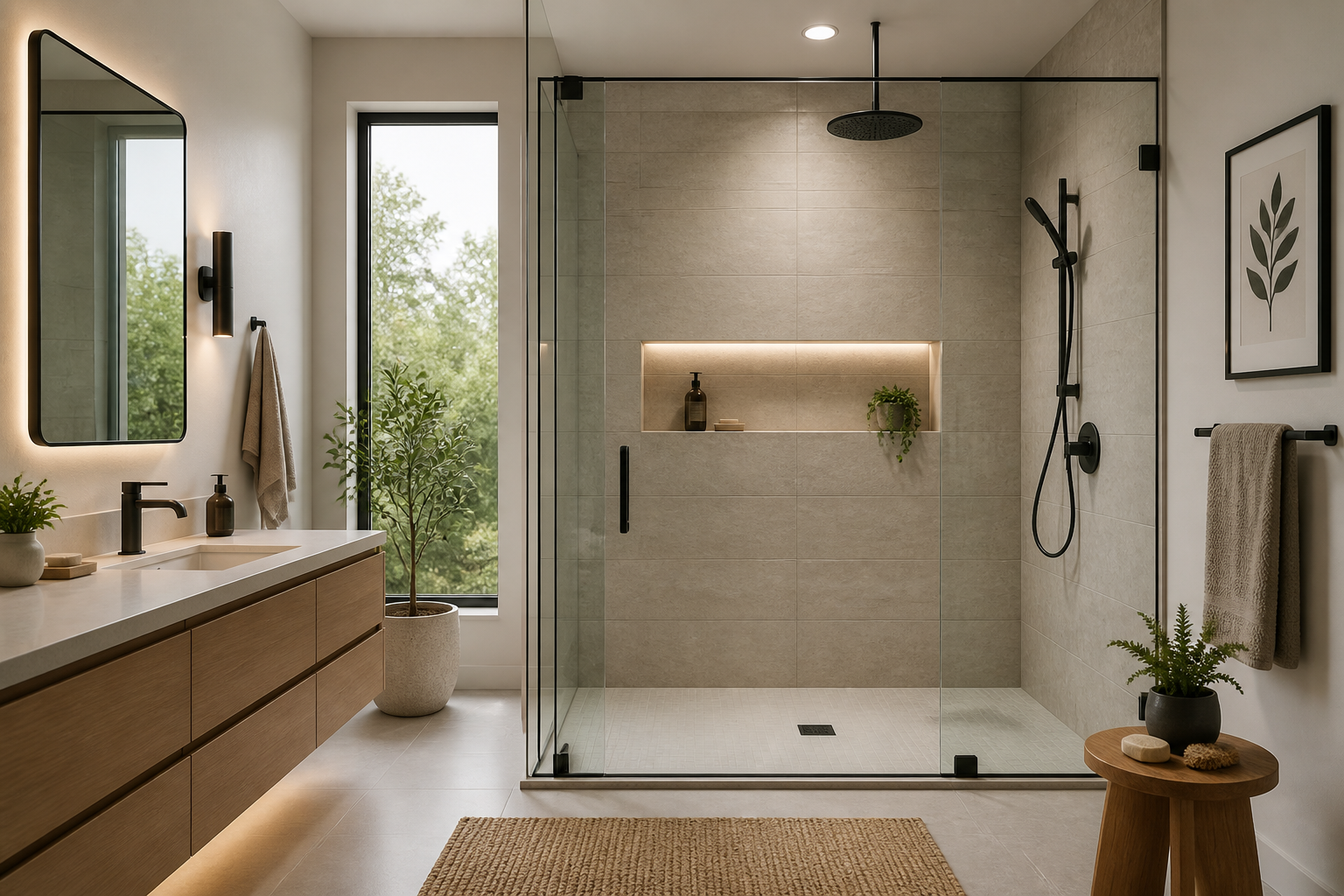
Are you considering upgrading your bathroom with a walk-in shower? If so, you might be wondering about the Home Depot walk-in shower cost and the best products available. This guide will provide you with essential information on pricing, installation, and top product…
Are you considering upgrading your bathroom with a walk-in shower? If so, you might be wondering about the Home Depot walk-in shower cost and the best products available. This guide will provide you with essential information on pricing, installation, and top product recommendations to help you make an informed decision.
Understanding Home Depot Walk-In Shower Costs
Walk-in showers have become increasingly popular due to their modern aesthetic and accessibility. However, understanding the costs involved is crucial before making a purchase. Generally, the Home Depot walk-in shower cost can vary significantly based on several factors:
- Size: The dimensions of the shower will directly impact the price. Larger showers require more materials and labor.
- Materials: The quality of materials used will influence the overall cost. Options range from fiberglass to custom tile work.
- Installation Type: Whether you choose a DIY installation or hire professionals can significantly affect your budget.
- Features: Additional features like built-in seating, grab bars, and custom fixtures can also add to the cost.
Estimating Your Walk-In Shower Project Budget
To effectively budget for your walk-in shower project, consider the following steps:
- Use Online Calculators: Tools like the Walk-In Shower Cost Calculator can provide a preliminary estimate based on your specifications.
- Get Multiple Quotes: Contact several contractors to compare quotes and services. This can help you find the best deal.
- Consider Product Options: Take a look at various products available at Home Depot and compare their features and prices.
Top Product Picks for Modern Bathrooms
When selecting a walk-in shower, it’s essential to choose products that offer both style and functionality. Here are some top picks from Home Depot:
- Home Depot Modern Walk-In Shower: This stylish shower features a sleek design and durable materials, making it perfect for contemporary bathrooms.
- Glass Walk-In Shower Enclosure: A glass enclosure provides an open feel and is easy to clean, enhancing the overall aesthetic of your bathroom.
- Corner Walk-In Shower Kit: Ideal for smaller spaces, this kit maximizes your bathroom layout without sacrificing style.
Installation Considerations
Installing a walk-in shower can be a complex process. Here are some key considerations:
- Professional Installation: Hiring a contractor can ensure that the installation is done correctly, especially for custom showers.
- DIY Installation: If you choose to install the shower yourself, be sure to follow all manufacturer guidelines and local building codes.
- Permits and Regulations: Check with your local government about any permits required for bathroom renovations.
For more detailed information on installation costs, check out our guide on Home Depot Walk-In Shower Installation Cost.
Conclusion
Upgrading to a walk-in shower can transform your bathroom into a modern, stylish space. By understanding the Home Depot walk-in shower cost and exploring top product picks, you can make an informed decision that fits your budget and style. If you’re ready to start your project, consider requesting a quote from a local contractor to get started.
For expert assistance, feel free to contact us today!
Factors to Consider When Choosing a Walk-In Shower
When selecting a walk-in shower, there are several factors to consider beyond just cost. These factors can greatly impact your satisfaction with the final product and its functionality in your bathroom.
For a practical companion to this section, explore How Much Does a Walk-In Shower Cost at Home Depot?.
- Accessibility: If you or someone in your household has mobility issues, look for features like low thresholds, grab bars, and built-in seating.
- Water Pressure: Ensure that your home’s water pressure is adequate for the type of showerhead you choose. Some models may require higher pressure for optimal performance.
- Style and Design: Consider the overall design of your bathroom. Choose a walk-in shower that complements your existing decor and enhances the aesthetic appeal.
- Maintenance: Some materials are easier to maintain than others. For example, acrylic is generally easier to clean than tile, which may require grout maintenance.
Comparing Walk-In Shower Materials
The materials used in your walk-in shower can significantly affect both the appearance and longevity of the installation. Here’s a breakdown of common materials:
- Fiberglass: Lightweight and affordable, fiberglass showers are easy to install and maintain, but they may not be as durable as other materials.
- Acrylic: Similar to fiberglass but often more durable, acrylic showers resist stains and scratches, making them a popular choice.
- Tile: Offers a wide range of design options and can be customized to fit any style. However, tile requires more maintenance due to grout lines.
- Stone: Natural stone showers provide a luxurious look but can be expensive and require regular sealing to prevent water damage.
Walk-In Shower Features to Enhance Your Experience
Upgrading your walk-in shower with additional features can enhance your bathing experience. Here are some popular options:
- Rain Showerheads: These provide a luxurious, spa-like experience and can be adjusted for different water flow settings.
- LED Lighting: Installing lights within the shower area can create a soothing atmosphere and improve visibility.
- Built-In Shelving: Adding shelves or niches can help keep your shower organized and clutter-free.
- Steam Options: Some walk-in showers can be equipped with steam generators for a relaxing steam bath experience.
Steps for a Successful DIY Walk-In Shower Installation
If you decide to tackle the installation of your walk-in shower as a DIY project, follow these steps to ensure a successful outcome:
For additional authoritative context, review 971-287-0481.
- Gather Your Tools: Ensure you have all necessary tools, including a level, tile cutter, caulking gun, and safety gear.
- Prepare the Space: Remove the old shower and ensure the subfloor is level and in good condition.
- Install the Shower Base: Follow manufacturer instructions for installing the shower base, ensuring proper sealing to prevent leaks.
- Tile or Install Wall Panels: If using tile, plan your layout and start tiling from the bottom up. For wall panels, ensure they are securely fastened.
- Plumbing Connections: Connect the plumbing fixtures, ensuring all connections are tight and leak-free.
- Finishing Touches: Apply caulk around edges and joints to seal the installation and prevent water damage.
Budgeting for Additional Costs
While you may have a clear idea of the cost of the walk-in shower itself, it’s essential to budget for additional expenses that may arise during installation:
Continue with Estimate Your Walk-In Shower Costs: Complete Budget Guide for 2026 for additional guidance.
- Plumbing Modifications: If your existing plumbing needs adjustments, factor in these costs as they can add up quickly.
- Electrical Work: If you are installing lighting or other electrical features, you may need to hire a licensed electrician.
- Waterproofing: Proper waterproofing is crucial to prevent leaks and mold growth, so consider the cost of waterproofing materials.
Walk-In Shower Design Trends
As you plan your walk-in shower, consider incorporating some of the latest design trends that can enhance both functionality and aesthetics. Here are a few popular trends to keep in mind:
- Minimalist Design: A clean, uncluttered look with simple lines and neutral colors is in vogue. This design emphasizes open space and can make your bathroom feel larger.
- Natural Materials: Incorporating natural stone or wood accents can add warmth and texture to your shower. Consider using stone tiles or teak wood for shelving.
- Smart Showers: Technology is making its way into bathrooms. Smart shower systems allow you to control water temperature, flow, and even lighting through a smartphone app.
- Frameless Glass Enclosures: These provide a seamless look and make the space feel more open. They are also easier to clean than traditional framed options.
Common Mistakes to Avoid When Installing a Walk-In Shower
To ensure a successful installation of your walk-in shower, be aware of these common pitfalls:
- Neglecting to Plan for Drainage: Proper drainage is crucial. Ensure that the shower base is sloped correctly to prevent water pooling.
- Overlooking Ventilation: Adequate ventilation helps prevent mold and mildew. Consider installing an exhaust fan or ensuring windows are operable.
- Ignoring Local Codes: Always check local building codes and regulations before starting your project. This can save you from costly fines or having to redo work.
- Rushing the Process: Take your time with each step, from planning to installation. Rushing can lead to mistakes that may be expensive to fix.
Choosing the Right Showerhead for Your Walk-In Shower
The showerhead you select can greatly influence your overall shower experience. Here are some factors to consider:
- Type: Choose between fixed, handheld, or dual showerheads depending on your preference for flexibility and water coverage.
- Water Efficiency: Look for showerheads with WaterSense labels to save on water usage without sacrificing performance.
- Adjustable Settings: Opt for models with multiple settings, such as massage, rain, or mist, to customize your shower experience.
- Style: Ensure the design of the showerhead complements your overall bathroom decor. Consider finishes like chrome, brushed nickel, or matte black.
Maintenance Tips for Your Walk-In Shower
To keep your walk-in shower looking its best and functioning well, regular maintenance is essential. Here are some tips:
- Regular Cleaning: Clean your shower at least once a week to prevent soap scum and mildew buildup. Use non-abrasive cleaners suitable for your shower materials.
- Check for Leaks: Periodically inspect the plumbing and fixtures for leaks. Address any issues immediately to prevent water damage.
- Seal Grout Lines: If you have tile, ensure that grout lines are sealed to prevent water infiltration and staining.
- Keep It Dry: After each use, consider using a squeegee to remove excess water from walls and fixtures, which can help prevent mold growth.
Ready to talk about your project?
If you need help with Full service general contractor, Architect and design services, Bathroom remodels, kitchen remodels, tile, tile flooring, tile showers, LVP in Yamhill county, Marion county, Polk county, Tillamook county, Lincoln county, Multnomah county, Washington county, request a quote or contact ORIWS to get the next step started.
Frequently Asked Questions
Here are some common questions regarding walk-in showers:
- What factors influence the cost of a walk-in shower? The cost depends on shower size, material quality, fixture choices, installation complexity, and whether you opt for DIY or professional installation.
- How can I estimate my walk-in shower project budget? Use online calculators, get multiple quotes from contractors, and consider product options like the Home Depot Modern Walk-In Shower to compare features and prices.
- Are there affordable walk-in shower options that still look modern? Yes, many budget-friendly models like the Home Depot walk-in showers offer modern designs with durable materials at competitive prices.