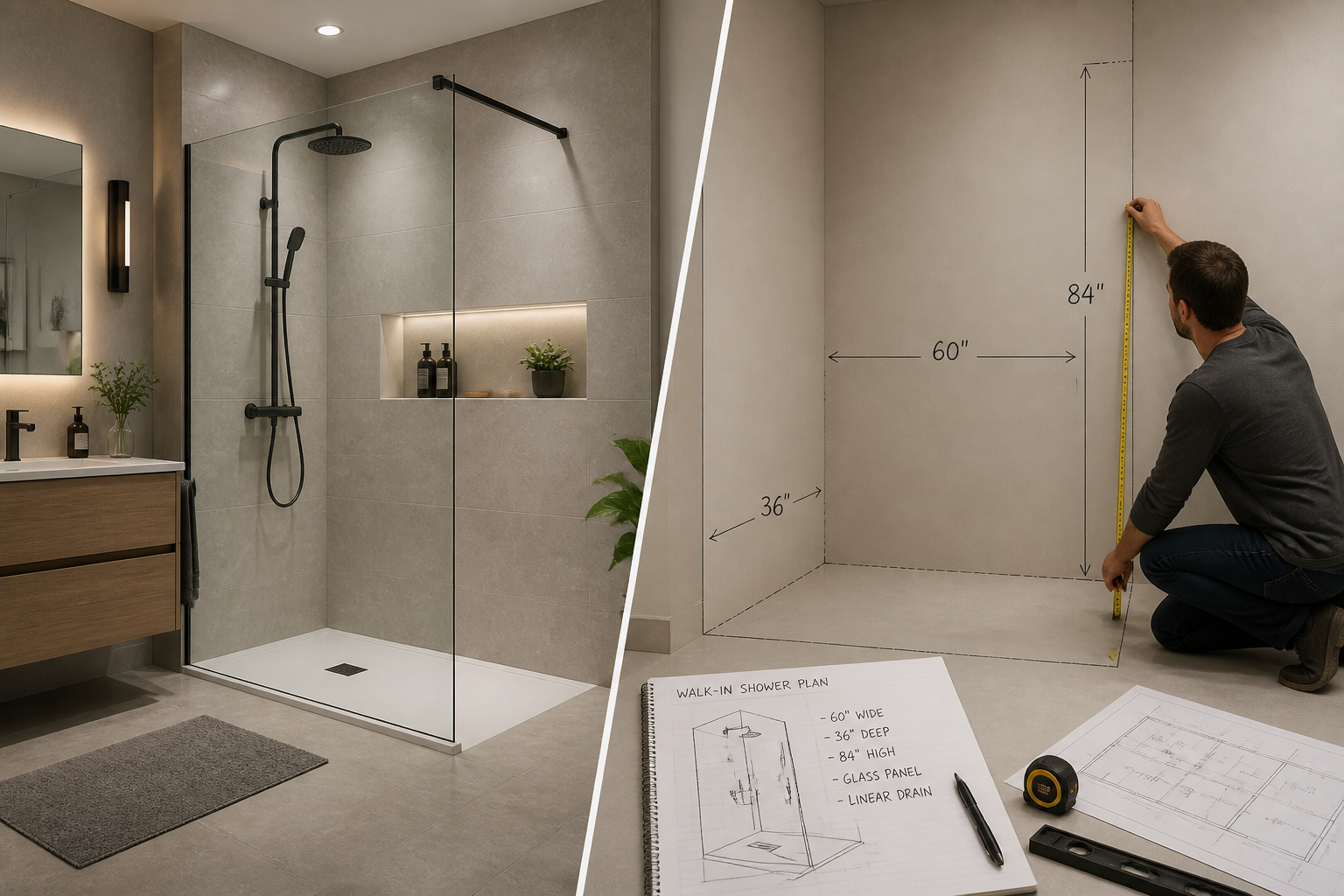
Article Overview
Are you considering upgrading your bathroom? A walk-in shower can make your space feel more modern and accessible. However, understanding the cost of installing a walk-in shower is crucial for making an informed decision. In this article, we will explore the various…
Are you considering upgrading your bathroom? A walk-in shower can make your space feel more modern and accessible. However, understanding the cost of installing a walk-in shower is crucial for making an informed decision. In this article, we will explore the various costs associated with both DIY and professional installation options, helping you determine the best path for your bathroom upgrade.
Understanding Walk-In Showers
Walk-in showers are a popular choice for many homeowners due to their sleek design and ease of access. They can enhance the aesthetic appeal of your bathroom while providing functionality. However, before diving into installation, it’s important to consider the costs involved.
If you need help with Full service general contractor, Architect and design services, Bathroom remodels, kitchen remodels, tile, tile flooring, tile showers, LVP in Yamhill county, Marion county, Polk county, Tillamook county, Lincoln county, Multnomah county, Washington county, request a quote or contact ORIWS to get clear next steps from ORIWS.
Factors Influencing the Cost of Installation
Several factors contribute to the overall cost of installing a walk-in shower. Understanding these can help you budget effectively. Here are the main factors to consider:
- Type of Shower: Prefab units tend to be less expensive than custom tile showers.
- Size: Larger showers will require more materials and labor, increasing costs.
- Materials: The choice of materials (tile, fiberglass, etc.) can significantly impact the price.
- Labor Rates: Hiring a professional can add to your costs, depending on local labor rates.
- Plumbing Modifications: If your existing plumbing needs adjustments, this will increase your overall expenses.
Cost Breakdown: DIY vs. Professional Installation
When it comes to installing a walk-in shower, you have two primary options: DIY installation or hiring a professional contractor. Each has its own set of costs and benefits.
DIY Installation
Installing a walk-in shower yourself can save you money on labor costs. However, it requires a certain level of skill and knowledge. Here’s a general cost breakdown for DIY installation:
For useful background on this topic, see Cost of Installing a Walk-In Shower: DIY vs Professional Options.
- Materials: $1,000 – $3,000 depending on the type and quality.
- Tools: If you don’t already own the necessary tools, budget an additional $200 – $500.
- Permits: Check local regulations; permits can cost $50 – $200.
Overall, a DIY installation can range from $1,250 to $3,700, depending on your choices.
Professional Installation
Hiring a professional contractor can ensure that the job is done correctly, but it comes at a higher price. Here’s a typical cost breakdown for professional installation:
- Labor: $1,000 – $3,000 based on complexity and local rates.
- Materials: Similar to DIY, expect to spend $1,000 – $3,000 on materials.
- Permits: Again, check local requirements; permits can cost $50 – $200.
In total, professional installation can cost between $2,000 and $8,000.
Comparing Shower Types
When selecting a walk-in shower, you’ll find two primary types: prefab and custom tile. Here’s a quick comparison to help you decide:
- Prefab Showers: Generally more affordable and quicker to install. They often come with warranties and require less maintenance.
- Custom Tile Showers: Offer more design flexibility and can be tailored to your space. However, they are usually more expensive and take longer to install.
Home Depot Walk-In Shower Options
Home Depot offers a range of walk-in shower units that can fit various budgets. These units are often more affordable and can be a great choice for DIY enthusiasts. If you’re interested in exploring these options, check out our detailed guide on Home Depot Walk-In Shower Units: Pricing and Installation Costs Explained.
Conclusion
Deciding whether to install a walk-in shower yourself or hire a professional is a significant choice that affects your budget and the success of your renovation. By understanding the associated costs and weighing your options, you can make a more informed decision. If you’re ready to take the next step, consider requesting a quote for professional installation or contact us for more information about our services.
Additional Considerations for Walk-In Shower Installation
When planning your walk-in shower installation, there are several additional factors to consider that can influence both the cost and the overall satisfaction with your new space.
Accessibility Features
If you or a family member has mobility issues, incorporating accessibility features can enhance the usability of your walk-in shower. Consider the following:
- Grab Bars: Installing grab bars can provide stability and safety, especially for those with limited mobility.
- Non-Slip Flooring: Opt for textured tiles or slip-resistant materials to prevent falls.
- Seating Options: Built-in benches can offer convenience and comfort while showering.
Water Efficiency
Choosing water-efficient fixtures can reduce your water bill and contribute to environmental conservation. Look for:
- Low-Flow Showerheads: These can save water without sacrificing pressure.
- Smart Shower Systems: Some modern systems allow you to control water usage and temperature precisely.
Design Considerations
The design of your walk-in shower can significantly impact its functionality and aesthetic appeal. Here are some design elements to consider:
- Shower Size: Ensure the size fits comfortably within your bathroom layout while allowing for easy movement.
- Glass Enclosures: Clear glass can make your bathroom appear larger and more open.
- Lighting: Incorporate natural light or use waterproof lighting fixtures to enhance the ambiance.
Permits and Regulations
Before starting your installation, check with local building codes and regulations. You may need permits for:
- Plumbing modifications
- Electrical work
- Structural changes
Failure to obtain the necessary permits can lead to fines and complications when selling your home.
For additional authoritative context, review 971-287-0481.
Maintenance and Upkeep
Consider the long-term maintenance of your walk-in shower. Different materials require varying levels of upkeep:
- Tile: Requires regular sealing and grout maintenance to prevent mold and mildew.
- Fiberglass: Easier to clean but may scratch over time.
- Stone: Offers a luxurious look but needs regular sealing to protect against water damage.
Budgeting for Unexpected Costs
When planning your budget, it’s wise to set aside extra funds for unexpected expenses that may arise during installation, such as:
- Hidden plumbing issues
- Structural repairs
- Changes in design mid-project
Having a contingency fund can help you avoid financial strain and ensure your project is completed smoothly.
Continue with Best Walk-In Shower Kits and Installation Costs in 2026 for additional guidance.
Choosing the Right Location for Your Walk-In Shower
When installing a walk-in shower, the location within your bathroom is crucial for both functionality and aesthetics. Here are some tips to help you choose the best spot:
- Proximity to Plumbing: Ideally, your shower should be close to existing plumbing to minimize installation costs. This can save on both labor and materials.
- Natural Light: If possible, position your shower near a window or skylight to enhance the space with natural light, making it feel more open and inviting.
- Ventilation: Ensure adequate ventilation in your shower area to prevent moisture buildup, which can lead to mold and mildew.
Walk-In Shower Design Trends
Staying updated with current design trends can help you create a modern and appealing walk-in shower. Here are some popular trends to consider:
- Minimalist Aesthetics: Clean lines and a clutter-free design are in vogue. Opt for simple fixtures and a neutral color palette to achieve this look.
- Natural Materials: Incorporating natural stone or wood elements can add warmth and texture to your shower space.
- Open Concept: Many homeowners are opting for open-concept bathrooms, where the shower is integrated into the overall space without barriers.
Cost-Saving Tips for Walk-In Shower Installation
Whether you choose to go DIY or hire a professional, there are several ways to save on costs:
- Shop Around for Materials: Compare prices from different suppliers for tiles, fixtures, and other materials to find the best deals.
- Consider Off-Season Installation: Scheduling your installation during off-peak seasons can sometimes result in lower labor costs.
- DIY Finishing Touches: While the main installation may require professional help, consider handling the finishing touches yourself, such as painting or adding accessories.
Understanding Shower Drain Options
The type of shower drain you choose can impact both functionality and aesthetics. Here are some options:
- Standard Center Drain: The most common option, located in the center of the shower floor.
- Linear Drain: A modern choice that runs along one side of the shower, providing a sleek look and easier cleaning.
- Point Drain: Ideal for custom tile showers, these drains can be integrated into the tile design for a seamless appearance.
Final Thoughts on Walk-In Shower Installation
As you prepare for your walk-in shower installation, remember that careful planning and consideration of all factors can lead to a successful project. By weighing your options, understanding costs, and staying informed about trends, you can create a beautiful and functional shower space that enhances your bathroom.
Ready to talk about your project?
If you need help with Full service general contractor, Architect and design services, Bathroom remodels, kitchen remodels, tile, tile flooring, tile showers, LVP in Yamhill county, Marion county, Polk county, Tillamook county, Lincoln county, Multnomah county, Washington county, request a quote or contact ORIWS to get the next step started.
Frequently Asked Questions
Here are some common questions regarding the cost of installing a walk-in shower:
- What factors influence the cost of installing a walk-in shower? The cost depends on shower type (prefab vs custom tile), size, materials, labor rates, and whether plumbing modifications are needed.
- Can I install a walk-in shower myself to save money? Yes, if you have DIY skills and experience. However, professional installation ensures proper sealing, plumbing, and code compliance, reducing long-term issues.
- What is the typical price range for walk-in shower installation in 2026? Installation costs generally range from $2,000 to $8,000 depending on the complexity, materials, and location. Home Depot units tend to be on the lower end, especially with DIY options.
- Are prefab walk-in showers a good value? Yes, prefab units are cost-effective, quick to install, and come with warranties. They are ideal for budget-conscious upgrades and can be complemented with tile accents for style.