Article Overview
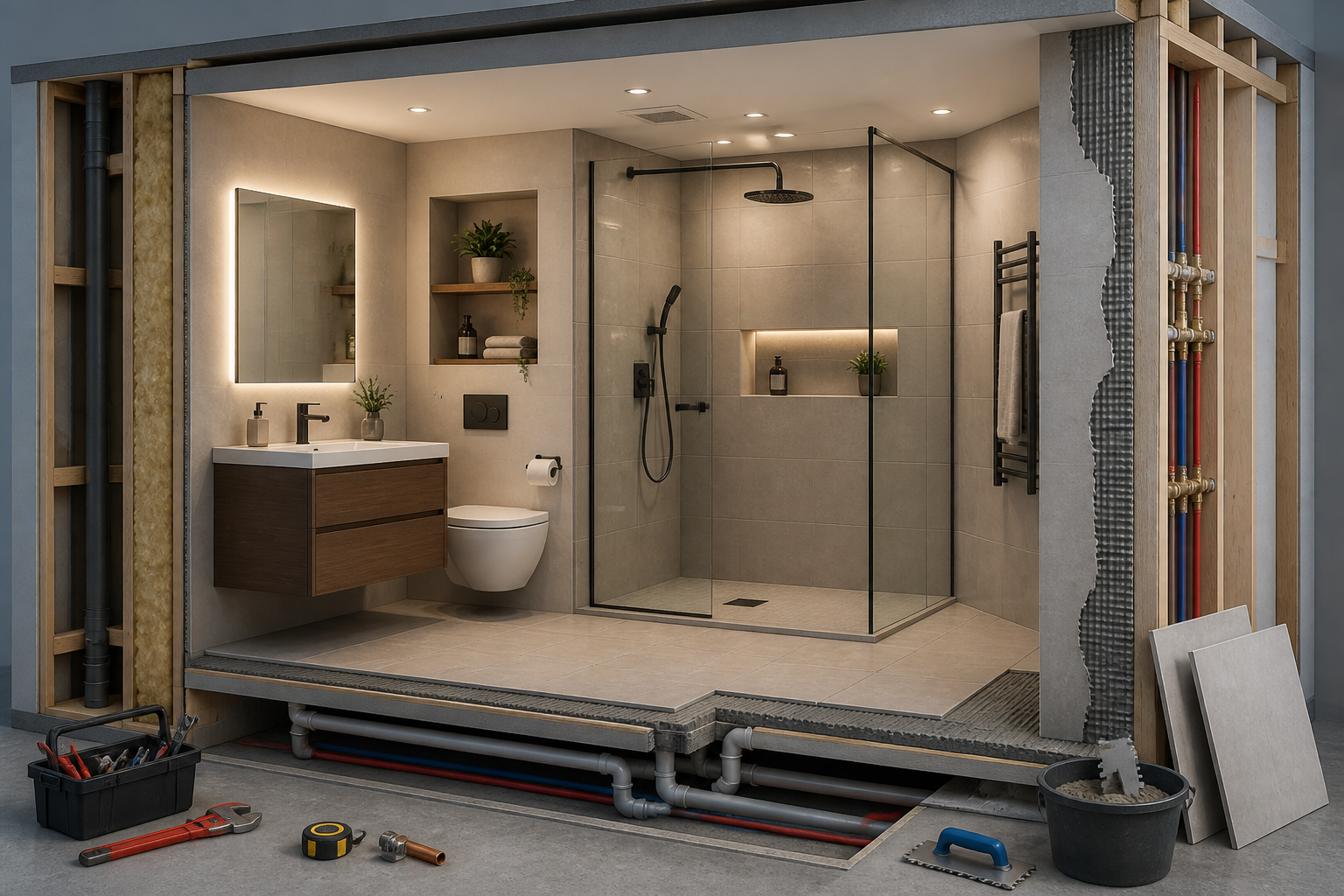
Are you considering upgrading your bathroom with a walk-in shower? If so, you might be wondering how much does a walk-in shower cost to install in 2026? Understanding the costs involved is crucial for effective budgeting. In this guide, we will break…
Are you considering upgrading your bathroom with a walk-in shower? If so, you might be wondering how much does a walk-in shower cost to install in 2026? Understanding the costs involved is crucial for effective budgeting. In this guide, we will break down the factors influencing the price, typical installation costs, and options available to you.
Factors Influencing the Cost of Walk-In Shower Installation
When estimating the cost of a walk-in shower installation, several factors come into play:
- Type of Shower: Prefab units typically cost less than custom tile showers.
- Size: Larger showers will generally cost more due to increased materials and labor.
- Materials: The choice of materials can significantly affect the overall cost. For example, high-end tiles and fixtures will increase your budget.
- Labor Rates: Labor costs vary by region and contractor experience.
- Plumbing Modifications: If your installation requires new plumbing, this will add to the overall expense.
Typical Cost Ranges for Installation
In 2026, the cost to install a walk-in shower can vary widely. Typically, you can expect to pay:
- $2,000 – $8,000 for installation, depending on complexity and materials.
- Prefab units from Home Depot tend to be on the lower end of this range.
To make this easier, let’s explore the different installation options available.
Installation Options: DIY vs. Professional
Deciding whether to tackle the installation yourself or hire a professional can impact your budget significantly.
DIY Installation
If you have the skills and experience, installing a walk-in shower yourself can save you a considerable amount of money. However, keep in mind:
- Proper sealing and plumbing are crucial to prevent leaks.
- Local building codes must be followed, which may require permits.
Professional Installation
Hiring a professional ensures that the installation is done correctly and efficiently. While this option is more expensive, it can save you from potential long-term issues. Because of this, many homeowners prefer to invest in professional services.
Exploring Walk-In Shower Options at Home Depot
One popular option for walk-in showers is to purchase units from Home Depot. They offer a variety of prefab units that are affordable and easy to install. Here are some benefits:
- Cost-effective pricing
- Quick installation
- Warranty options available
Moreover, these units can be complemented with stylish tile accents to enhance your bathroom’s aesthetics.
Budgeting Tips for Your Walk-In Shower Installation
To effectively budget for your walk-in shower installation, consider the following tips:
- Get multiple quotes from contractors to compare labor costs.
- Research materials and fixtures to find options that fit your style and budget.
- Factor in additional costs such as plumbing modifications and permits.
For more detailed budgeting, check out our guide on estimating walk-in shower costs.
Conclusion
In conclusion, understanding how much does a walk-in shower cost to install in 2026 requires careful consideration of various factors, including the type of shower, materials, and whether you choose DIY or professional installation. By planning effectively and exploring options at Home Depot, you can find a solution that fits your budget. If you’re ready to start your bathroom remodel, request a quote today!
Comparing Walk-In Shower Styles
When considering a walk-in shower installation, it’s essential to understand the different styles available. Each style comes with its own set of advantages and disadvantages that can influence your overall cost and aesthetic appeal.
- Curbless Showers: These modern designs create a seamless transition between the shower and bathroom floor, enhancing accessibility. While they can be more expensive due to the need for precise waterproofing and sloping, they offer a sleek look.
- Frameless Glass Showers: These showers use glass panels instead of traditional shower curtains or doors, providing an open feel. Although they can be pricier, they are easier to clean and maintain.
- Traditional Tile Showers: Custom tile showers allow for personalized designs and layouts. However, they typically require more labor and materials, increasing costs significantly.
Essential Features to Consider
In addition to style, consider the following essential features that can enhance your walk-in shower experience:
- Showerheads: Investing in a high-quality showerhead can significantly improve your shower experience. Options like rainfall or handheld showerheads can add luxury but may also increase costs.
- Storage Solutions: Built-in shelves or corner caddies can help keep your shower organized. While this may add to the installation cost, it enhances functionality.
- Lighting: Proper lighting is crucial in a bathroom setting. Consider installing recessed lighting or sconces to brighten the space.
Steps for Planning Your Walk-In Shower Installation
Planning is key to a successful walk-in shower installation. Follow these steps to ensure a smooth process:
For additional authoritative context, review clicking here!.
- Assess Your Space: Measure the area where you plan to install the shower. Consider the layout and how it fits with existing plumbing.
- Choose Your Style: Decide on the type of walk-in shower that suits your needs and preferences. Research various styles and materials.
- Set a Budget: Create a detailed budget that includes all potential costs, from materials to labor. Don’t forget to account for unexpected expenses.
- Hire Professionals: If you opt for professional installation, research and hire reputable contractors. Check reviews and ask for references.
- Obtain Necessary Permits: Ensure that you comply with local building codes and obtain any required permits before starting the installation.
Long-Term Maintenance Considerations
Once your walk-in shower is installed, maintaining it is crucial for longevity. Here are some maintenance tips:
- Regular Cleaning: Use non-abrasive cleaners to keep surfaces free of soap scum and mildew. Regular cleaning can prevent costly repairs down the line.
- Check for Leaks: Periodically inspect plumbing fixtures and seals for leaks. Addressing issues early can save you money on repairs.
- Grout Maintenance: If you have tiled walls, ensure the grout is sealed and intact to prevent water damage.
Final Thoughts on Walk-In Shower Costs
Understanding the various factors that influence the cost of walk-in shower installation can empower you to make informed decisions. By comparing styles, considering essential features, and planning effectively, you can create a beautiful and functional space that fits your budget.
Continue with How Much Does a Walk-In Shower Cost? Budgeting Tips & Price Breakdown for additional guidance.
Comparing Walk-In Shower Costs by Region
When planning your walk-in shower installation, it’s essential to consider that costs can vary significantly depending on your geographic location. Here’s a breakdown of how regional differences can affect your budget:
- Urban vs. Rural Areas: Urban areas typically have higher labor costs due to demand and living expenses. Expect to pay 10-30% more in cities compared to rural locations.
- Regional Material Availability: In some regions, certain materials may be more readily available, leading to lower costs. For example, locally sourced stone tiles may be cheaper in areas where they are quarried.
- Climate Considerations: In regions with high humidity, additional waterproofing measures may be required, increasing installation costs.
Choosing the Right Contractor for Your Walk-In Shower Installation
Finding the right contractor is crucial for a successful installation. Here are steps to help you choose wisely:
- Research: Look for contractors with experience in bathroom renovations, specifically walk-in showers. Check online reviews and ask for recommendations from friends or family.
- Interview Candidates: Meet with at least three contractors to discuss your project. Ask about their experience, approach to walk-in showers, and their warranty on work performed.
- Request Detailed Estimates: Ensure that estimates include a breakdown of costs for materials, labor, and any additional fees. This transparency will help you compare offers effectively.
- Check Credentials: Verify that the contractor is licensed, insured, and bonded. This protects you in case of accidents or issues during the installation.
Upgrading Your Walk-In Shower: Future-Proofing Your Investment
As you plan your walk-in shower installation, consider features that can enhance its longevity and usability:
- Water Efficiency: Look for showerheads and fixtures that are WaterSense certified to save on water bills and reduce environmental impact.
- Accessibility Features: If you plan to age in place or accommodate guests with mobility challenges, consider incorporating grab bars, non-slip flooring, and a bench seat.
- Smart Technology: Explore options for smart shower systems that allow for temperature control and water usage monitoring through mobile apps.
Common Mistakes to Avoid During Walk-In Shower Installation
To ensure a smooth installation process, be aware of these common pitfalls:
- Neglecting Drain Placement: Improper drain placement can lead to water pooling. Ensure that the drain is strategically located based on the shower design.
- Overlooking Ventilation: Adequate ventilation is essential to prevent mold growth. Consider installing an exhaust fan if your bathroom lacks natural airflow.
- Skipping the Design Phase: Failing to plan your layout and design can lead to costly changes during installation. Take time to visualize the space and consult with your contractor.
Ready to talk about your project?
If you need help with Full service general contractor, Architect and design services, Bathroom remodels, kitchen remodels, tile, tile flooring, tile showers, LVP in Yamhill county, Marion county, Polk county, Tillamook county, Lincoln county, Multnomah county, Washington county, request a quote or contact ORIWS to get the next step started.
Frequently Asked Questions
Here are some common questions about walk-in shower installation:
- What factors influence the cost of installing a walk-in shower?
- Can I install a walk-in shower myself to save money?
- What is the typical price range for walk-in shower installation in 2026?
- Are prefab walk-in showers a good value?
The cost depends on shower type (prefab vs custom tile), size, materials, labor rates, and whether plumbing modifications are needed.
Yes, if you have DIY skills and experience. However, professional installation ensures proper sealing, plumbing, and code compliance, reducing long-term issues.
Installation costs generally range from $2,000 to $8,000 depending on the complexity, materials, and location. Home Depot units tend to be on the lower end, especially with DIY options.
Yes, prefab units are cost-effective, quick to install, and come with warranties. They are ideal for budget-conscious upgrades and can be complemented with tile accents for style.